Sacred Memorial · Kashmir History Project
In Eternal Remembrance of the Kashmiri Pandit Martyrs
They were teachers, lawyers, nurses, poets, judges and children. They were killed for one reason alone — their identity. This page exists so that their names are never forgotten, their stories never erased, and their cases never quietly closed.
Read the Full Exodus History →Phase I · September–November 1989
The First to Fall: Leaders, Judges & Intellectuals
The campaign began by targeting the most visible voices — to silence leadership and signal to the community that no one was safe. These were the first to fall.
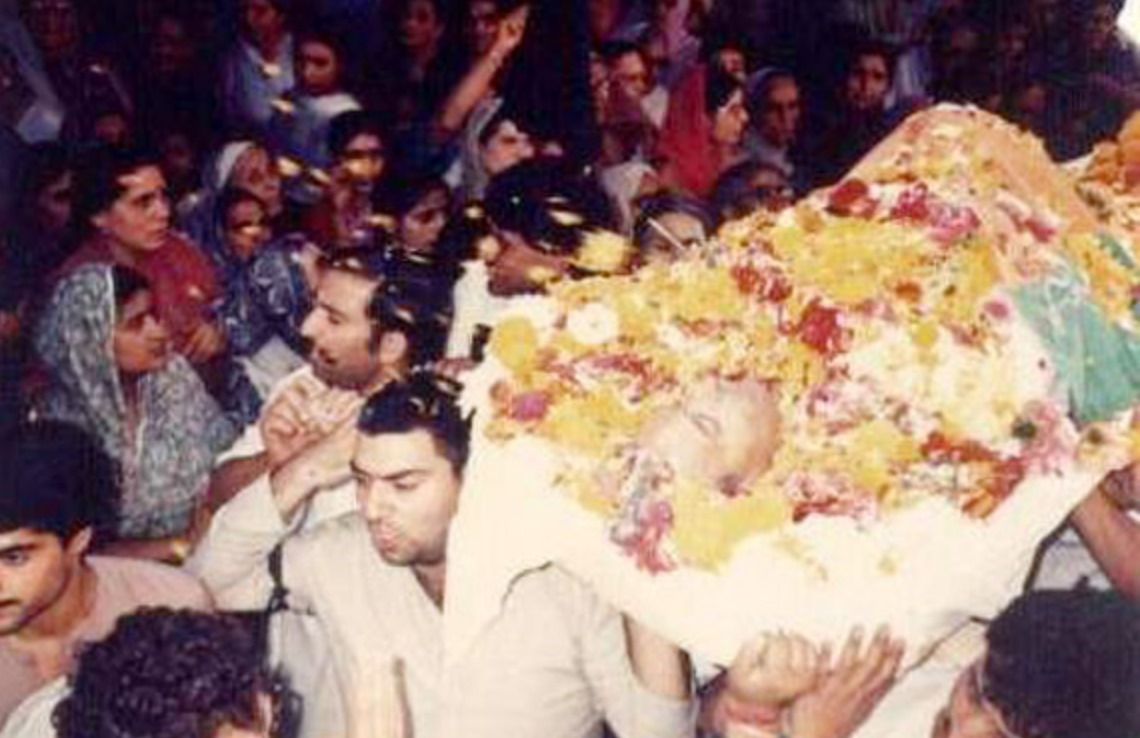
Pandit Tika Lal Taploo
Shot dead outside his home in Srinagar in broad daylight. The first high-profile targeted killing — a deliberate act to silence Kashmiri Pandit political leadership. September 14 is now observed as Martyrs' Day by the Kashmiri Pandit community.
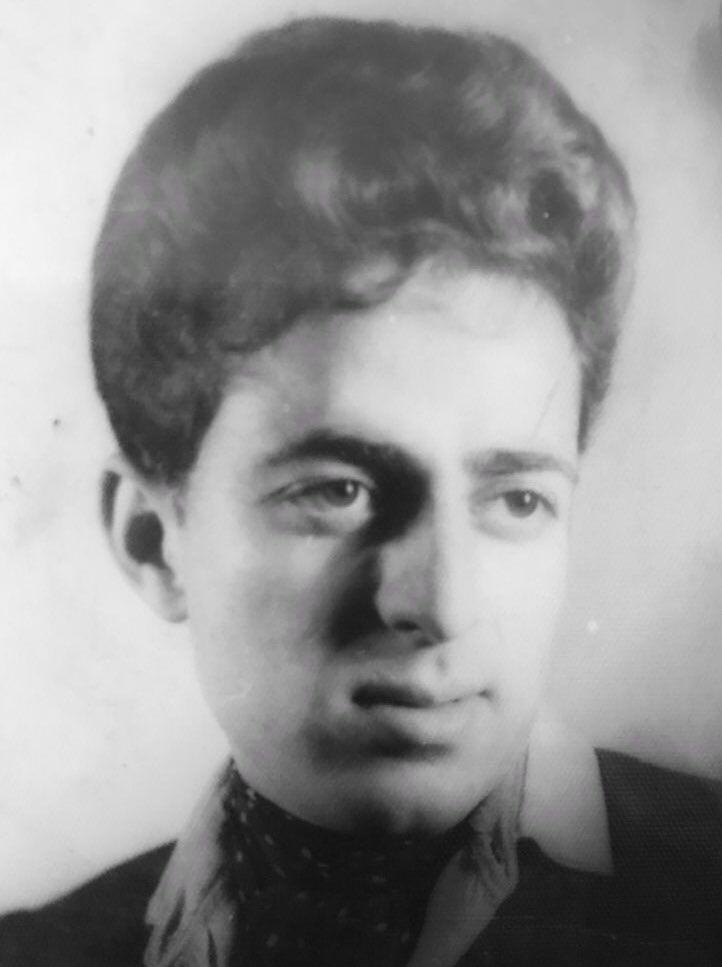
Lassa Kaul
Shot dead by JKLF terrorists outside his home in Bhan Mohalla, Srinagar. He had used his position to relay factual, anti-militancy news. He was killed for reporting the truth. His colleague at All India Radio could not even attend his cremation for fear.

Satish Tickoo
Ambushed and shot during a curfew break by Bitta Karate — a JKLF operative who later admitted on television to killing over 20 Kashmiri Pandits. Satish was 22 years old. His father has spent decades holding up his photograph demanding justice. His case is still pending before the Sessions Court.
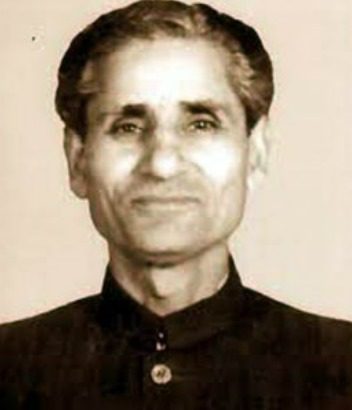
Sarvanand Kaul "Premi" & Virendra Kaul
Abducted from their home in Kokernag, Anantnag. Sarvanand was a beloved poet, teacher and freedom fighter influenced by Gandhian principles. Two days later, their bodies were found hanging — limbs broken, skin slit and burned. A plaque in their honour now stands at Barakhamba Metro Station, New Delhi.
Targeted Violence · 1990
Women Who Were Specifically Targeted
Women were not collateral damage. The slogan broadcast from mosques on the night of 19 January 1990 was explicit — these are three of their names.
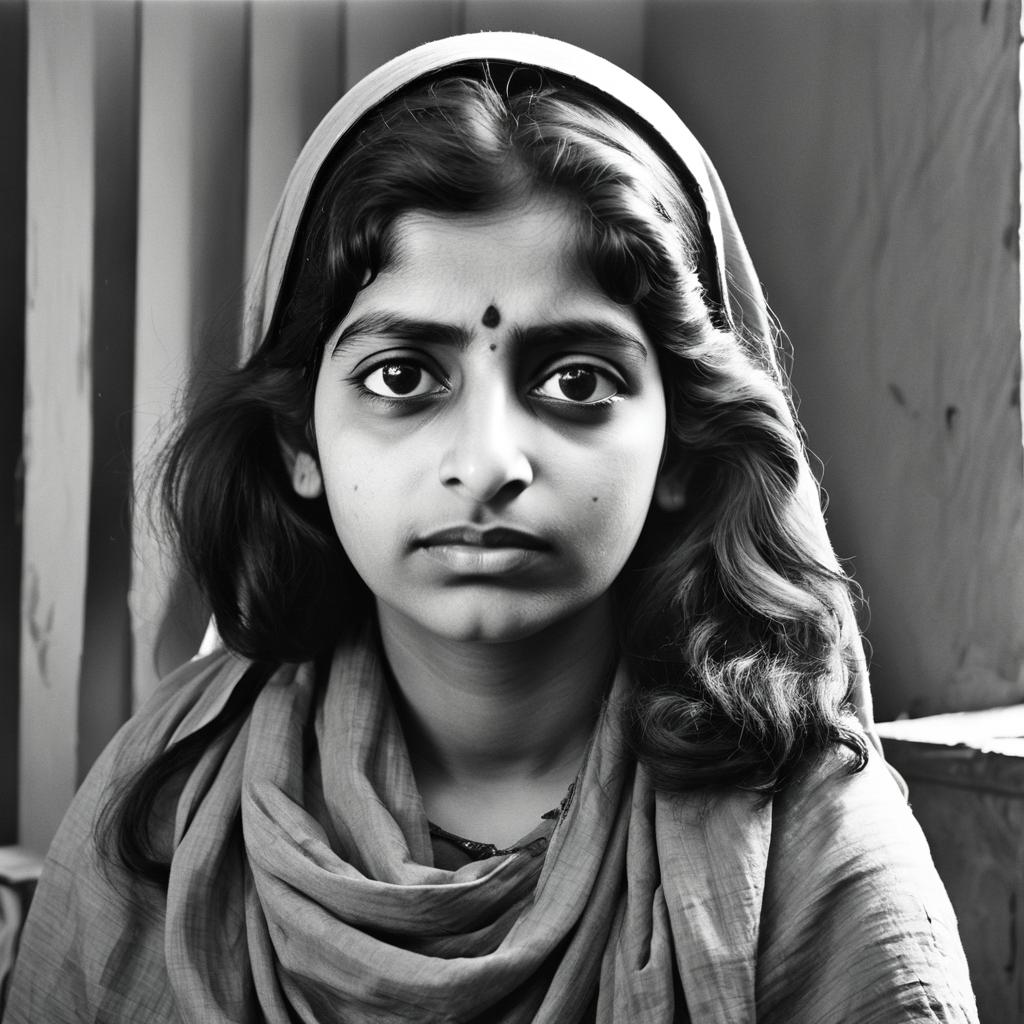
Sarla Bhat
Dragged from her hostel at SKIMS by JKLF militants. She had dedicated her life to caring for the sick — Hindu and Muslim alike. Her mutilated body was thrown onto the Habbakadal thoroughfare. In 2025, the State Investigation Agency reopened her case — 35 years after her murder.

Girija Tickoo
She had already fled to Jammu. A false promise of safe passage lured her back to Bandipora to collect her salary. It was a trap. She was abducted, subjected to unspeakable violence, and her body was desecrated. Her story was brought to mainstream awareness by the film The Kashmir Files.
Prana Ganjoo
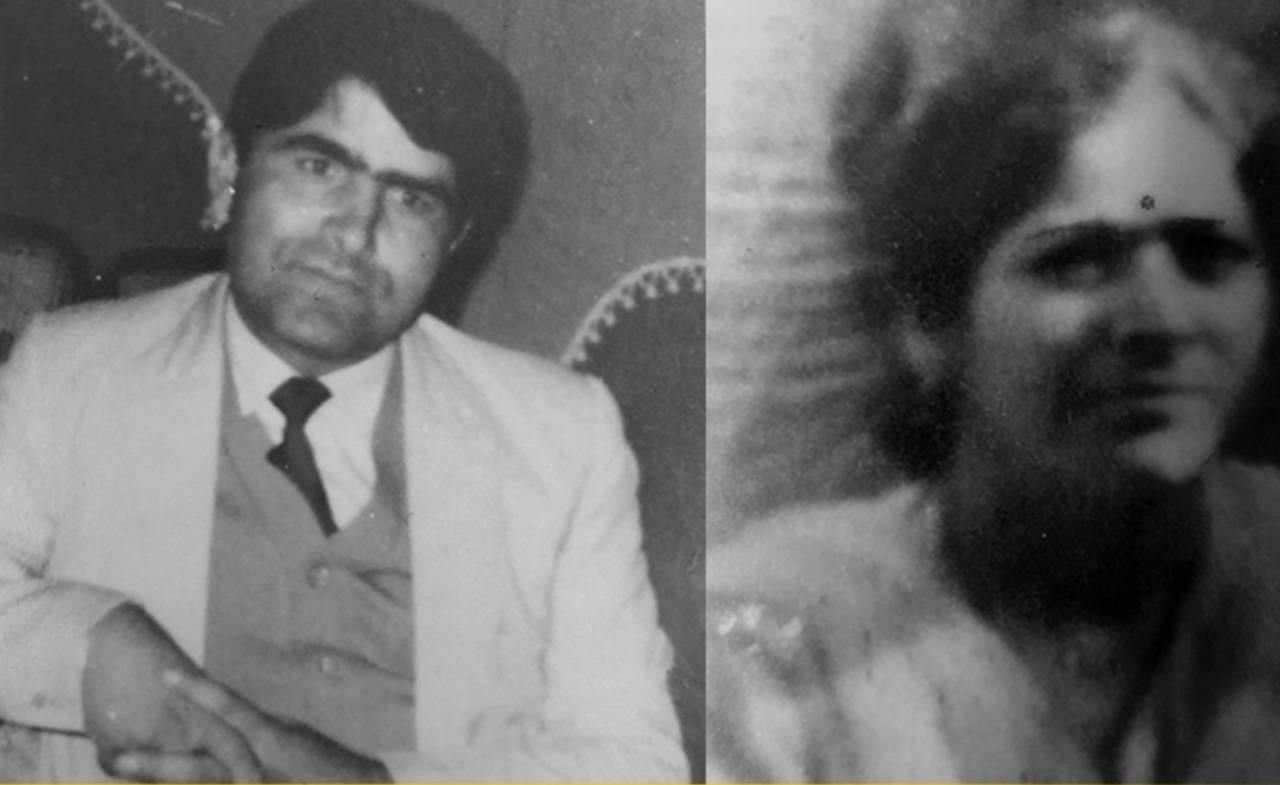
Abducted with her husband Prof. K.L. Ganjoo in broad daylight. Prof. Ganjoo was shot and his body thrown into the Jhelum River. Prana was subjected to sustained torture before being killed. Details of their fate remain partly unclear to this day — a further indignity compounding the grief of their surviving family.
Mass Atrocities · 1997–2003
When Terror Became Collective
Even after the mass exodus of 1990, the few Pandits who remained were systematically hunted. These massacres confirmed that the killing would not stop until none remained.
Sangrampora Massacre
Seven Kashmiri Pandit men were shot dead in their homes in the village of Sangrampora, Budgam. The killings were carried out at close range by terrorists who went door to door. No perpetrators have ever been brought to justice.
Read the Historical Context →Wandhama Massacre
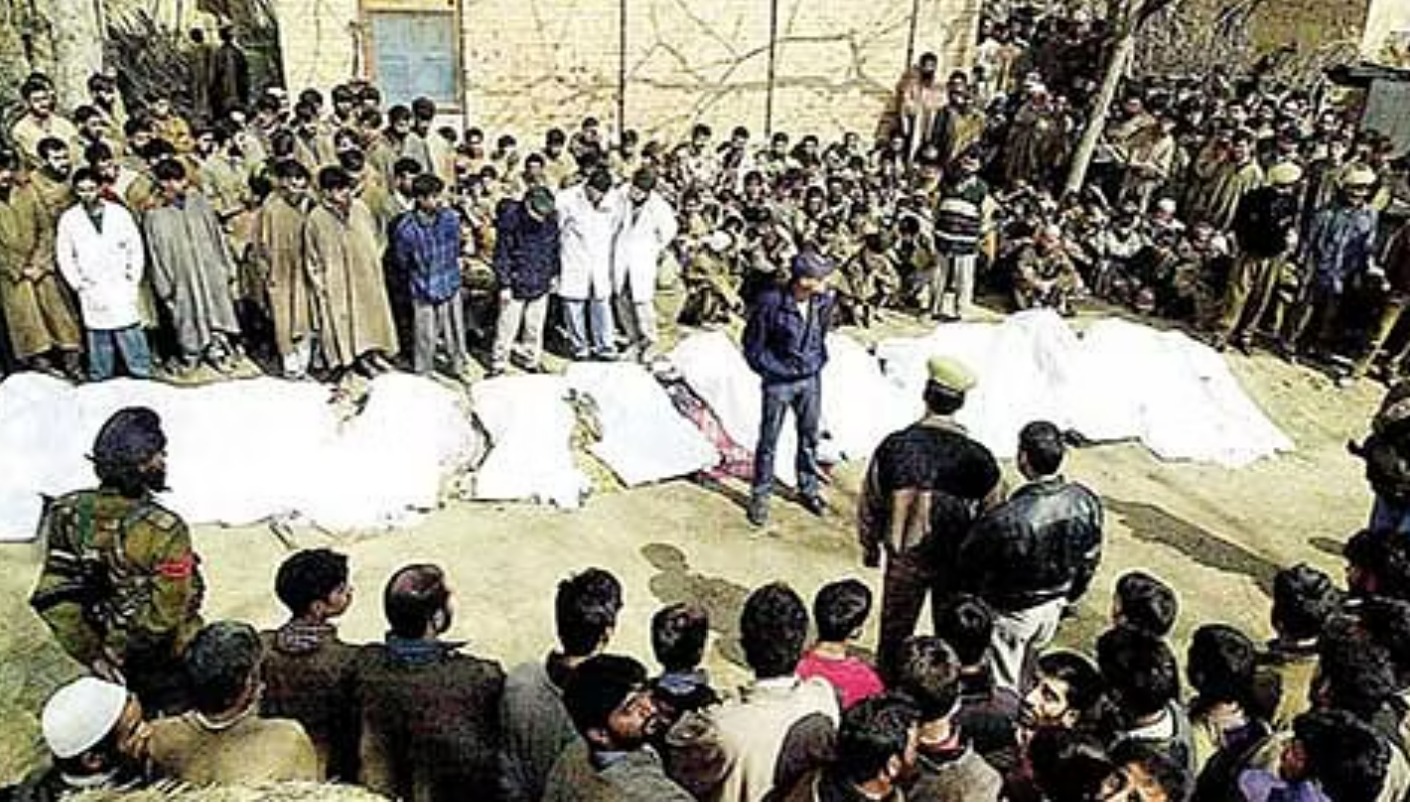
23 Kashmiri Pandits — including 9 women and 4 children — gunned down as they slept in their homes on the eve of Republic Day. Gunmen disguised as Army soldiers entered the village. Blamed on Lashkar-e-Taiba and Hizbul Mujahideen. No one has been convicted.
Read Full Account →Nadimarg Massacre
24 Kashmiri Pandits — men, women, and children — were lined up and shot in the village of Nadimarg. It was one of the last major massacres, coming thirteen years after the 1990 exodus, as if to confirm that the killing would not stop until none remained.
Read the Historical Context →Also Remembered
Names From the Record
These names appear across the documented historical record of the Kashmiri Pandit Exodus. Each represents a life ended by targeted violence. Many have no dedicated memorial. Many cases were never investigated. This list is not complete — it cannot be — but every name here was a person.
"I was there. I am a Kashmiri Pandit who lived through the exodus — from Srinagar to Delhi, from home to exile. Every name on this page is not an abstraction for me. They are my community. They are the reason I write."
Rohit Tikoo Military Historian & Kashmiri Pandit · Kashmir History Project
This memorial exists because official records failed these victims, governments forgot them, and time threatened to erase them. History does not have to be silent about what was done to us. These stories have been documented so that journalists, historians, courts and future generations can cite them and carry them forward.
Read the full historical record, explore the books, or learn more about this work.
"Every Indian who walks on Kashmiri soil walks on land that was defended at extraordinary cost. The least we owe to those who defended it is the truth, told plainly and without apology."
Rohit Tikoo Kashmir History Project
May their souls rest in peace. May justice find their names.
Continue Exploring
Continue Exploring the Record
History · 1990
The Kashmiri Pandit Exodus of 1990: The Untold Story
What actually happened in the winter of 1989–90, when the aboriginal people of Kashmir were driven from their homeland.
Read the Full Account →19 January 1990
19 January Exodus: 350,000 Displaced in One Night
The single night that changed everything — documented in full with sources, testimony and chronology.
Read the Exodus Story →Military History · 1947
Operation Gulmarg: Pakistan's Tribal Invasion of Kashmir
A forensic account of how Pakistan planned and executed the 1947 tribal invasion while publicly denying involvement.
Read the Research →Kashmir History
Five Thousand Years of History
The full documented record — from ancient civilisation through Partition, insurgency, and the present day.
Explore the History →Published Works
Books by Rohit Tikoo
Six published works on the Kashmiri Pandit exodus, Indian philosophy, and the forces that shaped modern Kashmir.
View All Books →Essays & Analysis
Blogs — From the Kashmir History Project
Long-form essays, archival research, and community testimony updated regularly across 7 pages of documented history.
Read the Blogs →Accountability · 1990
Mufti Mohammad Sayeed and the Exodus
A documented examination of the political decisions and failures of will in 1990 that allowed the exodus to happen.
Read the Analysis →The Historian
About Rohit Tikoo
An independent researcher, author, and Kashmiri Pandit documenting the exodus through primary archives, memoirs, and oral history.
Read the Biography →