
Lassa Kaul: A Brave Voice Silenced by Terror in Kashmir

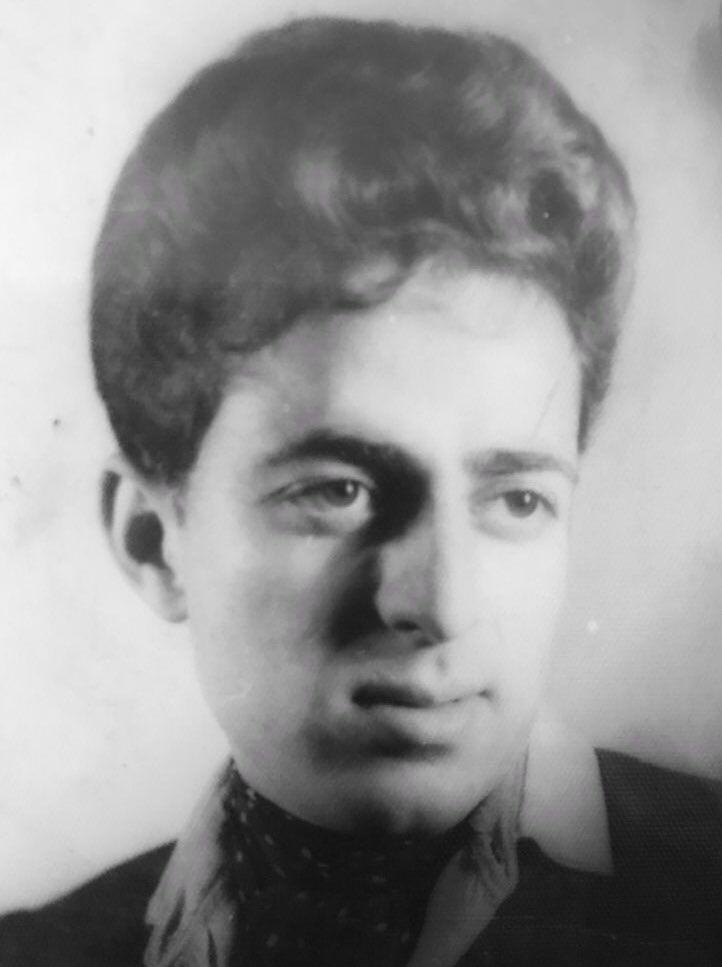
Image of Lassa Kaul

Between 1988 and 1990, Kashmir faced a dark era of terrorism that claimed many innocent lives. Notable figures such as Tika Lal Taploo, Justice Neel Kanth Ganjoo, Satish Tikoo, Sarvanand Kaul Premi and his son, Girija Tikoo, Sarla Bhat, Prana Ganjoo, K.L. Ganjoo, and others were tragically murdered. Lassa Kaul was also a victim of … Read more

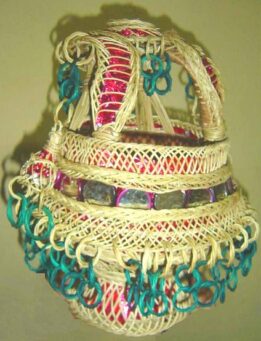
B K Ganjoo who was killed in a rice drum in Kashmir

Image of Martand Temple

In the dark days of 1990, as terrorism gripped the Kashmir Valley, a sinister pattern emerged. Those working in telecommunications, radio, and television found themselves in the crosshairs of radical militants. The twisted logic of these extremists painted innocent civilians as spies, leading to a reign of terror that would forever scar the region. Among … Read more

The untold story of Sarvanand Kaul Premi

Image of Sarvanand Kaul and Verinder Kaul

Jo shakhs ho zinda to phir kya khaak marta hai Hunar ke saath insaan amar ho jaata hai These words by Josh Malihabadi resonate profoundly with the life and legacy of Sarvanand Kaul Premi, a luminary whose diverse talents and unwavering spirit continue to inspire long after his untimely demise alongside his younger son, Virender … Read more

The NEET Scandal: A Wake-Up Call for India’s Education System

A Wake-Up Call for India's Education System

The NEET scandal exposes deep-rooted problems in India’s education system. The removal of Pradeep Kumar Joshi as the Director General of the National Testing Agency (NTA) has raised serious concerns about the fairness of the National Eligibility cum Entrance Test (NEET). How could someone in such a high-ranking position be trusted to investigate irregularities within … Read more

Sarvanand Kaul Premi: A Kashmiri Pandit Martyr and Messenger of Peace

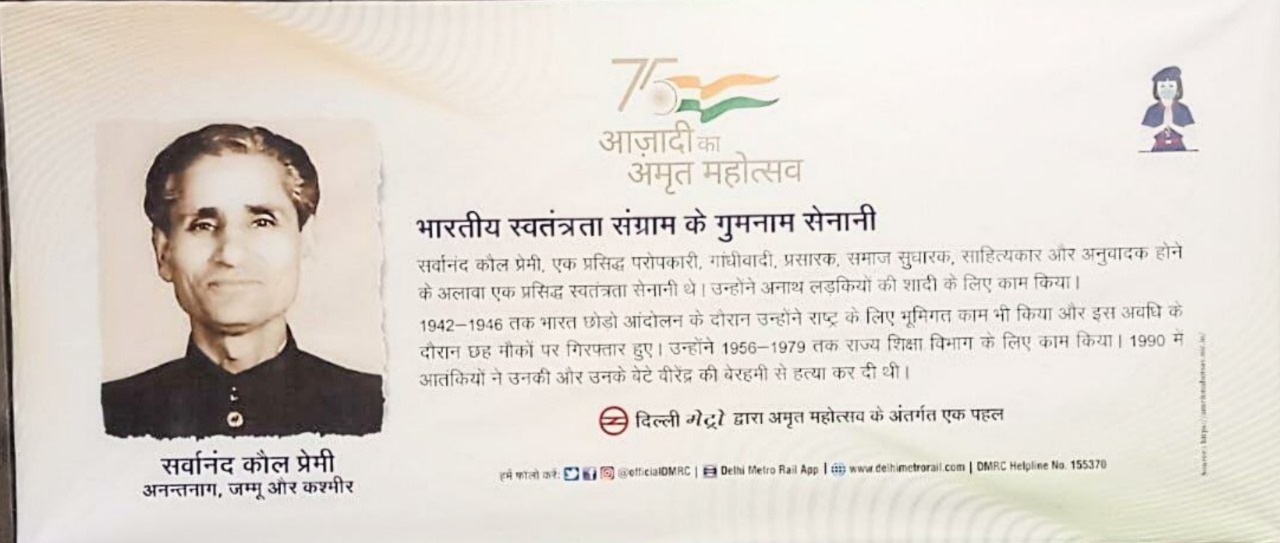
Plaque honouring Sarvanand Kaul Premi installed by Delhi Metro

The Brutal Killing of Sarvanand Kaul Premi On the fateful night of April 30th, 1990, armed men with extreme views barged into Sarvanand Kaul Premi’s home in Kashmir. They forcefully gathered the family into one room and looted all their valuables like gold, jewellery, cash, and fine clothes. The men even yanked off any gold … Read more

Deconstructing Article 370: History and revocation

The Image reflects the approval of abrogation of article 370

Introduction: The inclusion of Article 370 in the Indian Constitution stands as a landmark moment in the nation’s history, shaping the relationship between the Indian Union and the state of Jammu and Kashmir. This article explores the critical provisions of Article 370, its historical origins, the architects behind its drafting, and the subsequent contentious revocation … Read more

Kashmiri Pandits: A Paradise Lost in 1990

A photo of the ruins of the Martand temple, showcasing the destruction faced by the Kashmiri Pandits during Shah Mir Dynasty

Kashmiri Pandits. The name itself paints a picture – a people with a history stretching back thousands of years, deeply connected to the land of Kashmir. Kashmiri Pandits have known victories and losses, their rich culture blooming like the valley’s roses and weathering tough times like the mountain peaks. Imagine families living in the same … Read more

Lal Ded: The Mystic Poetess of Kashmir

Lal Ded Meditation

Imagine a celestial tapestry, shimmering with threads of divine essence. Among them, one radiant strand stands out – Lal Ded, a mystic poetess whose very being defied earthly constraints. Like a luminous moonbeam piercing the velvet night, she transcended the mundane, embodying unwavering devotion and weaving verses that echoed with celestial fire. AMI PANA SUDDRAS … Read more

Habba Khatoon: Pioneering Women’s Empowerment through Poetry in 16th-century Kashmir

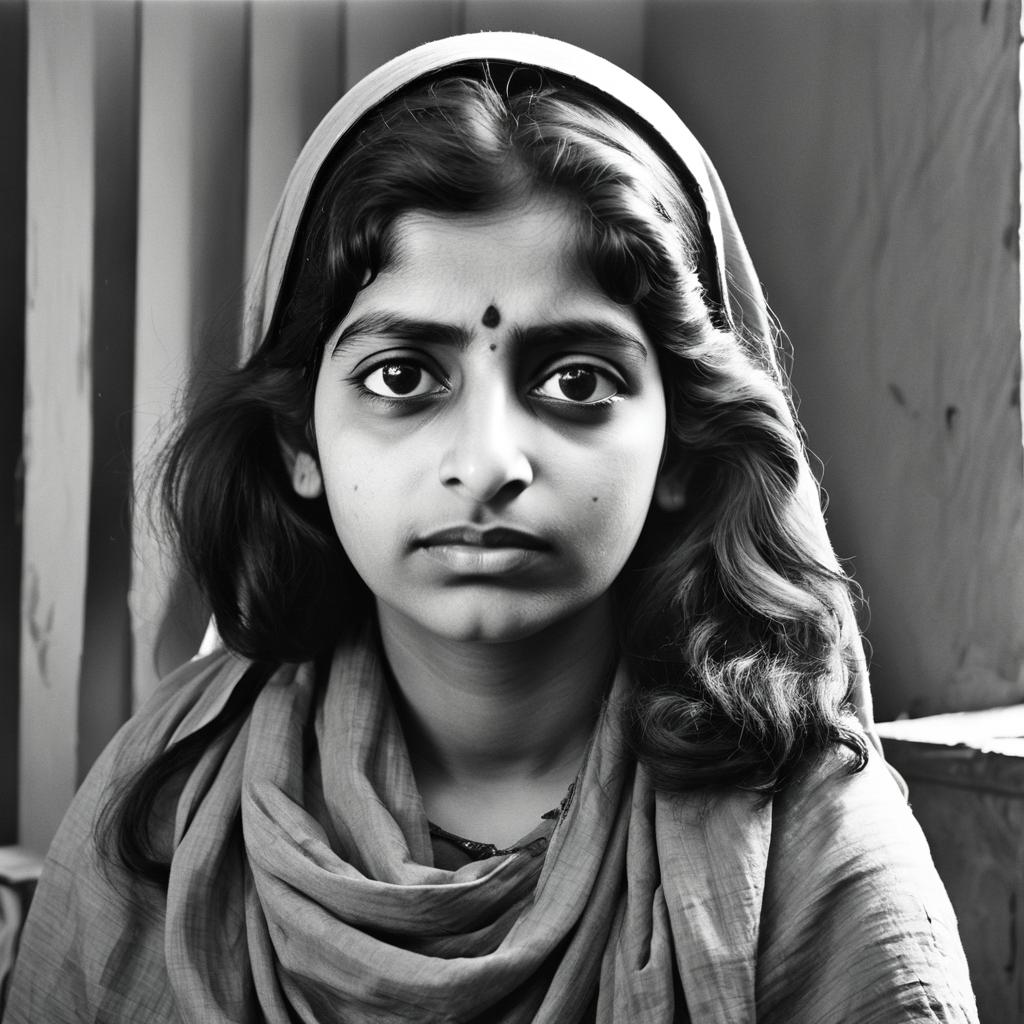
A portrait of Habba Khatoon, the 16th-century Kashmiri poet and musician, known for her rebellious spirit and significant contributions to art and literature.

Habba Khatoon, also known as Zoon, was a 16th-century Kashmiri poet and ascetic whose life and work continue to resonate with people today. Known as the “Nightingale of Kashmir”, she was an extraordinary figure who defied societal norms and used her poetry to express her emotions, challenge injustice, and celebrate the beauty of her homeland. In Kashmiri, Zoon means Moon and so is her artistic Prowess.

Early Life and Artistic Prowess

Habba Khatoon was born in a small village in Kashmir in 1554. Despite being born into a peasant family, she showed an early aptitude for poetry and music. Her talent was recognized by a local teacher who helped her develop her skills. Habba’s poems often explored themes of love, separation, and female empowerment, and were marked by their boldness and defiance.

Escaping an Oppressive Marriage

At a young age, Habba Khatoon was forced into marriage with a peasant boy. This marriage was intended to curtail her poetic pursuits, as it was not considered appropriate for a woman of her social status to express herself so openly. However, Habba refused to be silenced. She defied societal expectations and became the first woman in her village to divorce her husband.

Newfound Freedom and the Peasant Queen

Following her divorce, Habba Khatoon embraced a new chapter in her life. She dedicated herself to composing poems and songs, and her work resonated with the common folk. Her newfound freedom and talent eventually caught the attention of King Yusuf Shah Chak, who was captivated by her beauty and her poetry. Habba became the Queen of Kashmir, marking a significant shift from her earlier association with beauty as she emerged as an independent woman winning admiration through her talent.

The Love Story of Habba Khatoon and Yusuf Shah Chak

The romantic saga of Habba Khatoon and Yusuf Shah Chak is a central piece of her legacy. Their love story unfolded against the backdrop of societal norms, political intrigue, and the ephemeral nature of royal unions. Their chance encounter in the fields led to a blossoming romance, with Habba’s poetry becoming the soundtrack to their love.

Tragic Separation and Verses of Longing

The couple’s blissful union was tragically cut short when Yusuf Shah Chak was summoned to Delhi by the Mughal emperor Akbar. Akbar, unable to conquer Kashmir militarily, resorted to cunning tactics and imprisoned Yusuf Shah Chak. Separated from her beloved, Habba poured her grief and longing into her poetry, creating verses that are still deeply moving today.

Life as an Ascetic and Enduring Legacy

The loss of Yusuf Shah Chak had a profound impact on Habba. She spent the rest of her days as an ascetic, wandering the valleys of Kashmir and composing poetry. Her verses expressed not only her grief but also a broader critique of societal injustices, particularly those faced by women.

Habba Khatoon’s Poetry: Breaking Boundaries and Exploring Themes

Habba Khatoon’s poetry is unique in its exploration of personal and romantic themes that were usually reserved for men in her time. Her verses are bold and direct, and they offer a valuable glimpse into the lives of women in 16th-century Kashmir.

Conclusion

Habba Khatoon is a remarkable figure whose life and work continue to inspire people today. She was a trailblazer for women’s empowerment, and her poetry is a powerful testament to the human spirit’s ability to overcome adversity and express itself in the face of oppression.

Additional Points

  • Habba Khatoon’s tomb is located near Athwajan on the Jammu-Srinagar national highway.
  • Her poetry is still widely recited and sung in Kashmir, and it has been translated into several languages.
  • Habba Khatoon’s story has been the subject of many books, films, and songs.
  • She is considered a national hero in Kashmir and a symbol of resistance against oppression.

Further Reading

📘 Blogs