Habba Khatoon: Pioneering Women’s Empowerment through Poetry in 16th-century Kashmir

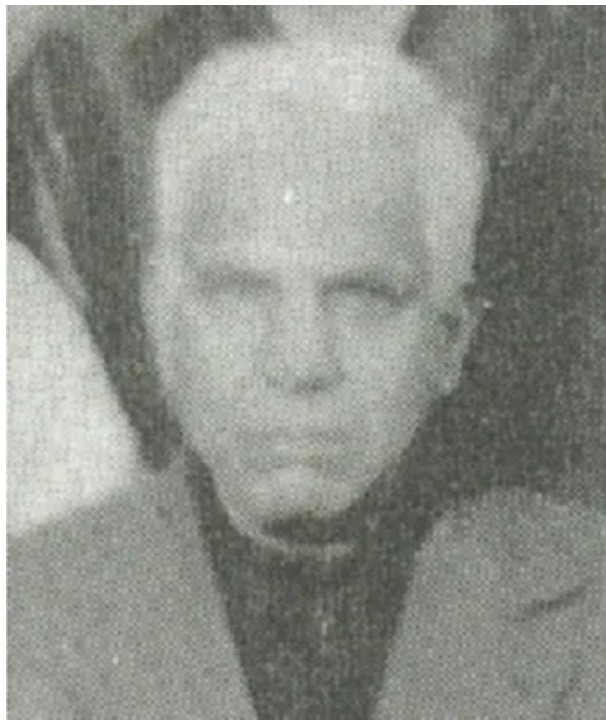
A portrait of Habba Khatoon, the 16th-century Kashmiri poet and musician, known for her rebellious spirit and significant contributions to art and literature.

Habba Khatoon, also known as Zoon, was a 16th-century Kashmiri poet and ascetic whose life and work continue to resonate with people today. Known as the “Nightingale of Kashmir”, she was an extraordinary figure who defied societal norms and used her poetry to express her emotions, challenge injustice, and celebrate the beauty of her homeland. In Kashmiri, Zoon means Moon and so is her artistic Prowess.

Early Life and Artistic Prowess

Habba Khatoon was born in a small village in Kashmir in 1554. Despite being born into a peasant family, she showed an early aptitude for poetry and music. Her talent was recognized by a local teacher who helped her develop her skills. Habba’s poems often explored themes of love, separation, and female empowerment, and were marked by their boldness and defiance.

Escaping an Oppressive Marriage

At a young age, Habba Khatoon was forced into marriage with a peasant boy. This marriage was intended to curtail her poetic pursuits, as it was not considered appropriate for a woman of her social status to express herself so openly. However, Habba refused to be silenced. She defied societal expectations and became the first woman in her village to divorce her husband.

Newfound Freedom and the Peasant Queen

Following her divorce, Habba Khatoon embraced a new chapter in her life. She dedicated herself to composing poems and songs, and her work resonated with the common folk. Her newfound freedom and talent eventually caught the attention of King Yusuf Shah Chak, who was captivated by her beauty and her poetry. Habba became the Queen of Kashmir, marking a significant shift from her earlier association with beauty as she emerged as an independent woman winning admiration through her talent.

The Love Story of Habba Khatoon and Yusuf Shah Chak

The romantic saga of Habba Khatoon and Yusuf Shah Chak is a central piece of her legacy. Their love story unfolded against the backdrop of societal norms, political intrigue, and the ephemeral nature of royal unions. Their chance encounter in the fields led to a blossoming romance, with Habba’s poetry becoming the soundtrack to their love.

Tragic Separation and Verses of Longing

The couple’s blissful union was tragically cut short when Yusuf Shah Chak was summoned to Delhi by the Mughal emperor Akbar. Akbar, unable to conquer Kashmir militarily, resorted to cunning tactics and imprisoned Yusuf Shah Chak. Separated from her beloved, Habba poured her grief and longing into her poetry, creating verses that are still deeply moving today.

Life as an Ascetic and Enduring Legacy

The loss of Yusuf Shah Chak had a profound impact on Habba. She spent the rest of her days as an ascetic, wandering the valleys of Kashmir and composing poetry. Her verses expressed not only her grief but also a broader critique of societal injustices, particularly those faced by women.

Habba Khatoon’s Poetry: Breaking Boundaries and Exploring Themes

Habba Khatoon’s poetry is unique in its exploration of personal and romantic themes that were usually reserved for men in her time. Her verses are bold and direct, and they offer a valuable glimpse into the lives of women in 16th-century Kashmir.

Conclusion

Habba Khatoon is a remarkable figure whose life and work continue to inspire people today. She was a trailblazer for women’s empowerment, and her poetry is a powerful testament to the human spirit’s ability to overcome adversity and express itself in the face of oppression.

Additional Points

  • Habba Khatoon’s tomb is located near Athwajan on the Jammu-Srinagar national highway.
  • Her poetry is still widely recited and sung in Kashmir, and it has been translated into several languages.
  • Habba Khatoon’s story has been the subject of many books, films, and songs.
  • She is considered a national hero in Kashmir and a symbol of resistance against oppression.

Further Reading

Sangrampora Massacre of Kashmiri Pandits-1997

Sangrampura Massacre 1997

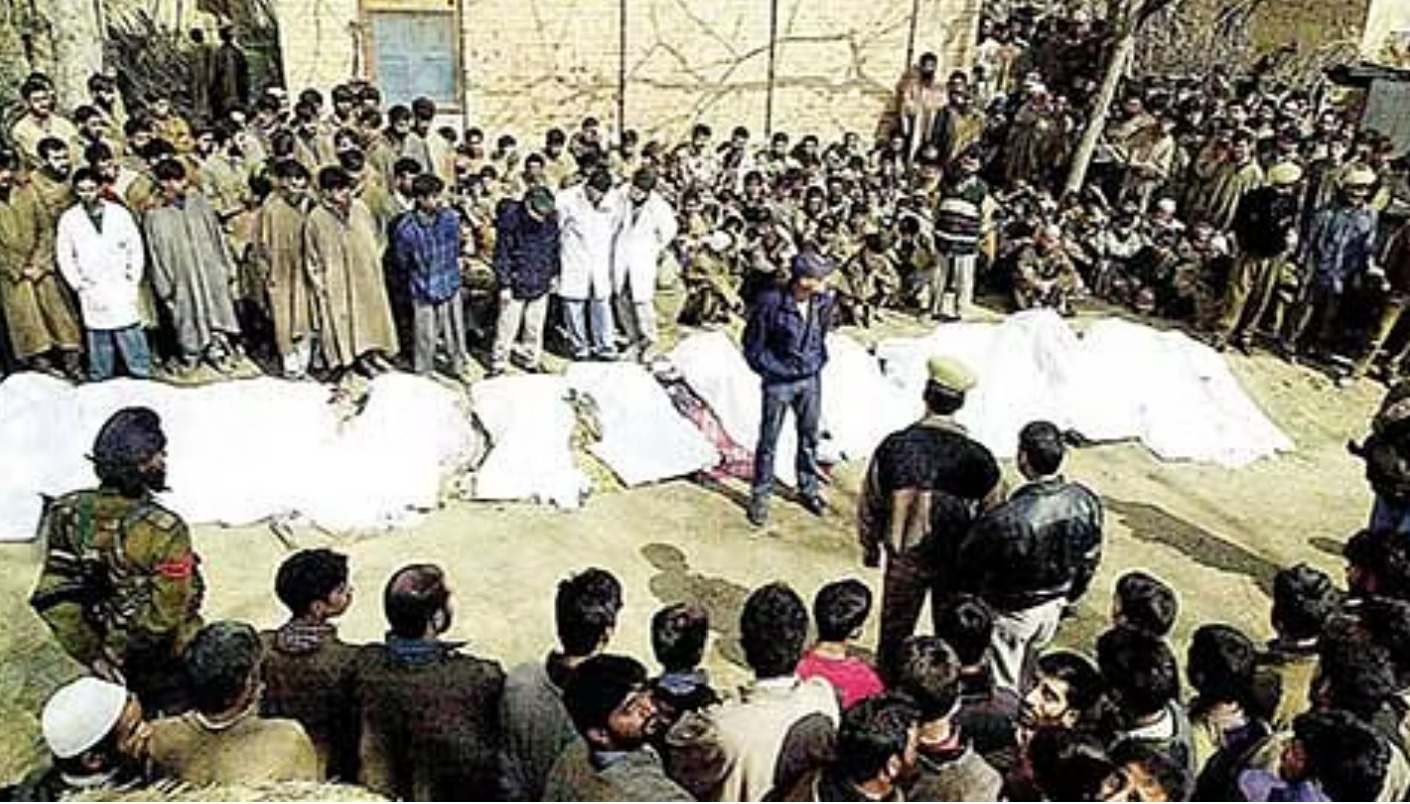
The Sangrampora massacre of 1997 stands as a haunting testament to the violent turmoil that has plagued the region of Kashmir for decades. This tragic event, which unfolded in the village of Sangrampora, Badgam, left an indelible mark on the collective memory of the Kashmiri pandits. 8 people were killed by radical terrorists. By then … Read more

Nadimarg Massacre 2003: The Forgotten Tragedy

Nadimarg Massacre 2003

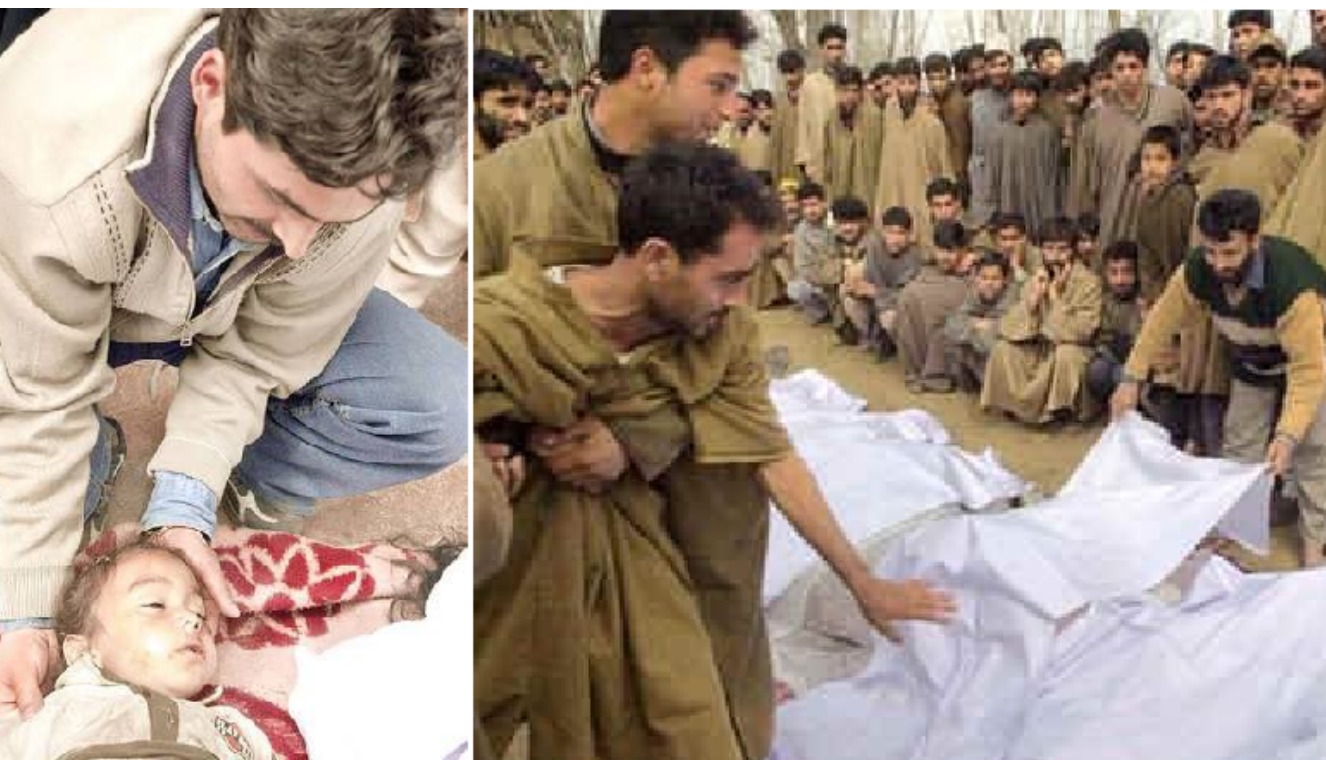
Nadimarg Massacre: A dark day of terror The Nadimarg massacre was a horrific act of terrorism that occurred on March 23, 2003, in the village of Nadimarg in Jammu and Kashmir, near Zainapura, Twenty-four Kashmiri Pandits, including 11 men, 11 women, and 2 children, were brutally murdered by Pakistani terrorists. The terrorists disguised themselves as … Read more

Wandhama Massacre of Kashmiri Pandits 1998

Wandhama Massacre 1998 happening after 19 January 1990

The Wandhama massacre of Kashmiri Pandits was a horrific terrorist attack that took place on January 25, 1998, in the village of Wandhama in Kashmir.  A group of terrorists entered the village  Wandhama early in the morning and opened fire on the residents who were sleeping in their homes. A total of 23 Kashmiri Pandits, … Read more

The Kashmir Files: A tale of Truth and Tragedy

The Kashmir Files: Nadimarg Massacre

The Kashmir Files is a compelling cinematic masterpiece. It is a powerful and moving film that tells the story of the Kashmiri Pandit exodus in a way that is both heartbreaking and eye-opening. The film does an excellent job of portraying the violence and terror that the Kashmiri Pandit community faced. Unlike other movies, it … Read more

Reinvestigation of Justice Neelkanth Ganjoo Murder Case

The Jammu and Kashmir State Investigation Agency (SIA) has called upon the general public to assist in the reinvestigation of the long-delayed murder case of Justice Neelkanth Ganjoo. The prominent Kashmiri Pandit figure was brutally killed on November 4, 1989, by suspected terrorists of JKLF in Srinagar. Despite security agencies pointing to the Jammu and … Read more

BJP’s Role in Kashmiri Pandit Exodus

BJP's role in Kashmiri Pandit Exodus

The BJP promised to help Kashmiri Pandits return home after they were forced to flee in 1990. But decades later, Kashmiri Pandits are still living in exile. Is the BJP betraying the trust of the Pandit community? Let’s dicuss BJP’s role in Kashmiri pandit Exodus.  Kashmiri Pandits are being used as a vote bank. They … Read more

Bitta Karate: A Chilling Tale of Terror in Kashmir

Butcher of Kashmiri Pandits Bitta Karate

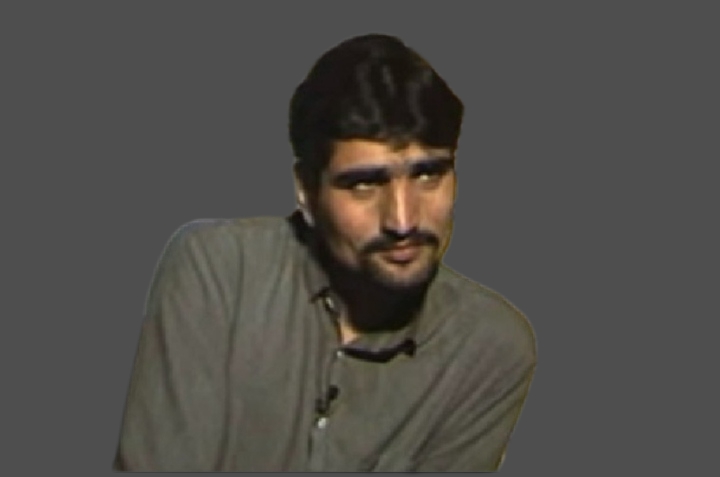
Farooq Ahmed Dar, also known as Bitta Karate, is a notorious terrorist who is believed to have killed over 40 Kashmiri Pandits. He was arrested in 1990 and confessed to the murders of more than 20 Kashmiri Pandits on national television. Karate is a reminder of the horrors of the Kashmir conflict and the violence that has been inflicted … Read more

JKLF: The Impact of HAJY Group on Kashmir Terrorism

Hajy Group-JKLF

Resurgence of Jammu and Kashmir Liberation Front The resurgence of the Jammu and Kashmir Liberation Front (JKLF) following the contested elections in 1987 brought with it a tumultuous period for the Kashmir Valley. The Impact of HAJY Group on Kashmir Terrorism was enormous in 1990 HAJY Group, comprising Hamid Sheikh, Ashfaq Wani, Javed Ahmad Mir, … Read more

Yasin Malik: A Life of Violence and Conviction

The Jammu and Kashmir Liberation Front (JKLF) is a terrorist separatist organization that was founded by Amanullah Khan and Maqbool Bhat. Originally a terrorist wing of the Azad Kashmir Plebiscite Front, the JKLF officially changed its name in 1977 and became an active Kashmiri terrorist organization. In this article we will discuss the role of … Read more

The kidnapping of Rubaiya Sayeed in 1989 in Kashmir

Rubaiya Sayeed with his father Mufti Sayeed

The kidnapping of Rubaiya Sayeed in 1989 and subsequent success of terrorists in getting able to rerelease  5 dreaded terrorists motivated terrorists that became the source of forced exodus of Kashmiri Pandits. Discover the horrific story that has a devastating impact on Kashmiri Pandits. On December 8, 1989, Kidnapping of Rubaiya Sayeed, the 23-year-old daughter of then-Indian … Read more

📘 Blogs