This blog is dedicated to recording the truth of the Kashmiri Pandit exodus. Every post is based on facts, lived experiences, and historical sources. Nothing here is imagined or distorted. From the hate campaigns that led to the displacement in 1990 to the silence of institutions and the pain of exile, these writings preserve what really happened.

The goal is to keep memory alive. You will find personal stories, historical context, and comparisons with other moments of targeted violence in India. Together, these articles serve as a permanent record of one of the most tragic upheavals in modern Indian history.

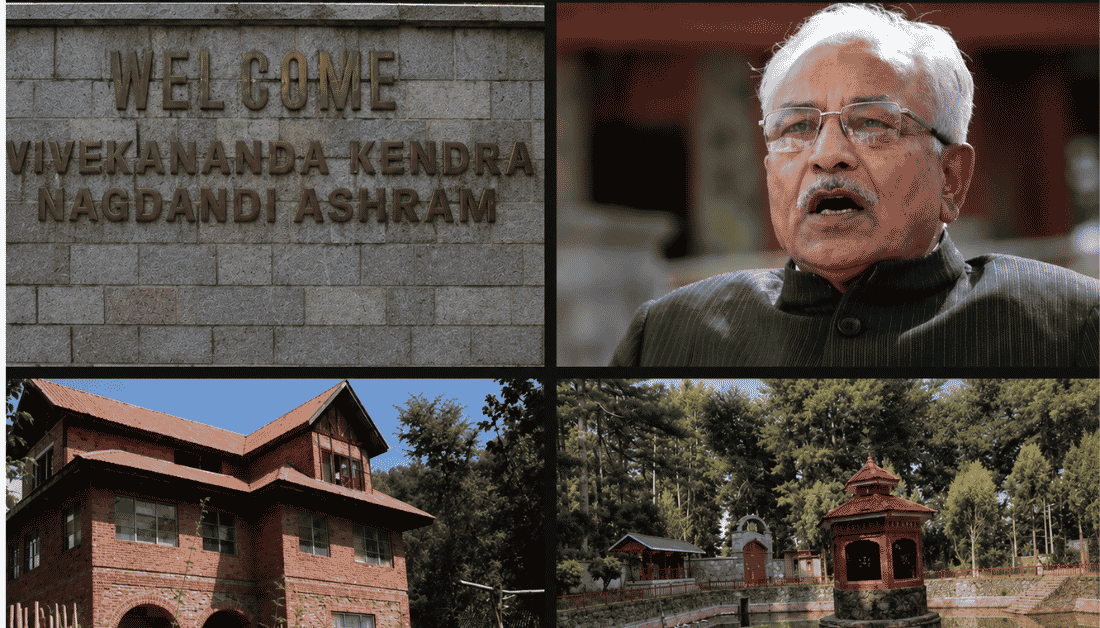
A four-panel collage showing the Vivekananda Kendra Nagdandi Ashram sign, Brij Lal Bhat speaking, a traditional brick building with a red roof surrounded by trees, and a small temple structure beside a pond
A glimpse of Vivekananda Kendra Nagdandi Ashram featuring its signage, architecture, serene temple grounds, and Brij Lal Bhat addressing the gathering.

Who is Brij Lal Bhat? Biography of Kashmir’s 2026 Padma Shri Awardee

On 23 June 2026, President Droupadi Murmu conferred the Padma Shri on Brij Lal Bhat. For a moment, the marble halls of Rashtrapati Bhavan turned toward a story that official…

Comments Off on Who is Brij Lal Bhat? Biography of Kashmir’s 2026 Padma Shri Awardee
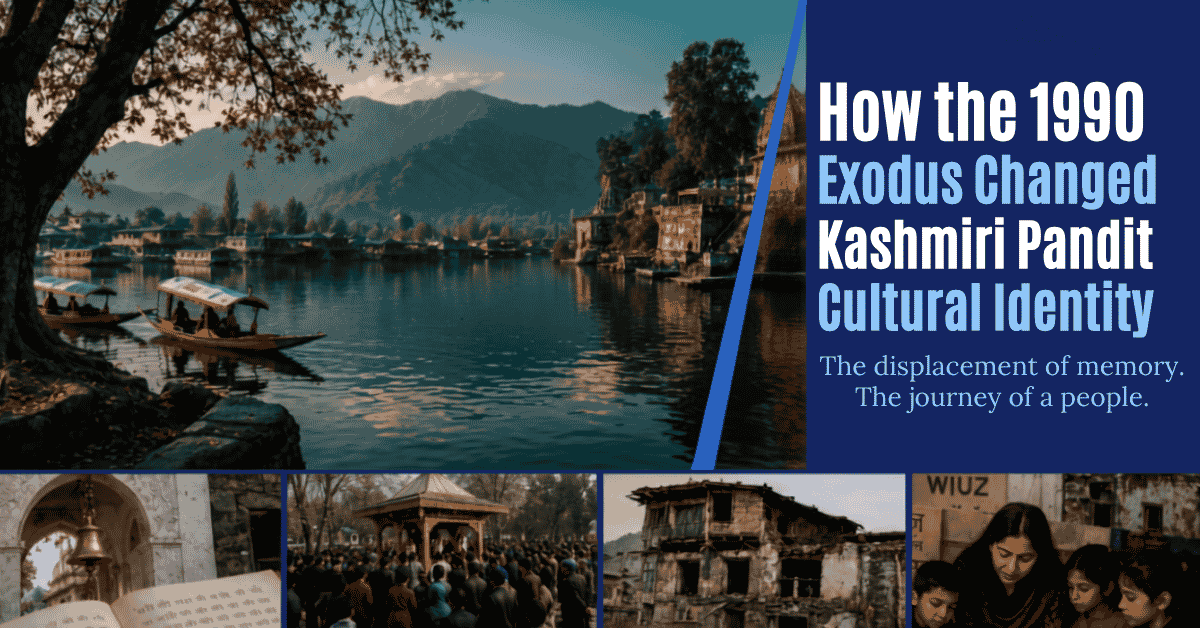
A cinematic blog header featuring a scenic Kashmir lake with shikaras and mountains at dusk, overlaid with bold white and blue typography. A bottom photo strip shows religious texts, a temple gathering, damaged buildings, and students studying.
The displacement of memory. The journey of a people — exploring how the 1990 exodus reshaped Kashmiri Pandit cultural identity.

How the 1990 Exodus Changed Kashmiri Pandit Cultural Identity

The chinar trees still stand where they always have. The Vitasta River continues to flow through the valley. Ancient prayers can still be heard echoing from the temples. However, a…

Comments Off on How the 1990 Exodus Changed Kashmiri Pandit Cultural Identity
Nund Rishi's wisdom "Ann Poshi Teli Yeli Wan Poshi" illustrated through a lush forest merging into fertile farmland, symbolising the inseparable relationship between forests and food.
A symbolic illustration of Nund Rishi's timeless message, "Ann Poshi Teli Yeli Wan Poshi" (Food will last only as long as forests last), depicting the vital connection between thriving forests and fertile agricultural land.

Nund Rishi and the Wisdom of Nature

"Ann poshi teli yeli wan poshi." Food will last only as long as forests last. Six centuries have passed since Nund Rishi uttered these words. Yet every passing year makes…

Comments Off on Nund Rishi and the Wisdom of Nature
Kheer Bhawani Festival 2026 devotees offering prayers at the sacred spring of Mata Ragnya Devi Temple in Tulmulla, Kashmir
Devotees gather at the sacred spring of Mata Kheer Bhawani Temple in Tulmulla during the annual Kheer Bhawani Festival 2026.

Kheer Bhawani Festival 2026: Faith, Memory and the Eternal Bond of Kashmiri Pandits

As devotees gather today for the Kheer Bhawani Festival 2026, I find myself unable to begin with history, dates, or rituals. I must begin where every Kashmiri Pandit heart begins.…

Comments Off on Kheer Bhawani Festival 2026: Faith, Memory and the Eternal Bond of Kashmiri Pandits
Portrait of Arnimal in traditional Kashmiri Pandit attire, wearing authentic Dejhoor earrings and seated against a scenic Kashmir backdrop, symbolizing the poetess's life, love, and literary legacy.
Arnimal, the celebrated 18th-century Kashmiri Pandit poetess, depicted in traditional attire with authentic Dejhoor earrings, reflecting the emotional depth and cultural richness of her poetry.

Arnimal: The Kashmiri Poet Who Turned Abandonment Into Poetry

Pain has a strange, insular effect on the human psyche. It possesses the unique capacity to shut out the external world, creating a sudden silence in which a person is…

Comments Off on Arnimal: The Kashmiri Poet Who Turned Abandonment Into Poetry
Sacred representation of Kashmiri Pandits with Lord Shiva, Goddess Sharika, and a Shivling in a Himalayan valley symbolizing faith, loss, and exile.
Faith that remained rooted even after exile. The spiritual and cultural identity of Kashmiri Pandits against the backdrop of the Kashmir Valley.

From Exile to Erasure: How NFSA Integration Threatens Kashmiri Pandit Identity

The concept of 'home' for the Kashmiri Pandit community has undergone a radical, involuntary transformation. Since the exodus of 1990, the physical markers of our civilisation (Our heritage temples, the…

Comments Off on From Exile to Erasure: How NFSA Integration Threatens Kashmiri Pandit Identity
Kalhana writing the Rajatarangini in ancient Kashmir with temples, kings, and battle scenes in the background
Kalhana, the 12th-century historian, documenting Kashmir’s past in the Rajatarangini with a focus on truth, evidence, and ethical kingship

Kalhana: Kashmir’s First and Greatest Historian

Kalhana was Kashmir's first and greatest historian. He wrote without royal patronage, without flattery, and without the political obligations that corrupted nearly every other chronicle of his era. What he…

Comments Off on Kalhana: Kashmir’s First and Greatest Historian
History of Kashmir scholars reading ancient manuscripts near a traditional Kashmiri temple in the Kashmir Valley
Kashmiri Pandit scholars study ancient manuscripts near a traditional temple in the Kashmir Valley, reflecting the community’s long tradition of scholarship and learning.

The Keepers of the Valley: A History of the Kashmiri Pandits

Introduction Kashmir. The name conjures alpine lakes, saffron fields, and snow-capped peaks. But behind this beauty lies the History of the Kashmiri Pandits At its heart stands a people who…

Comments Off on The Keepers of the Valley: A History of the Kashmiri Pandits
Sacred representation of Kashmiri Pandits with Lord Shiva, Goddess Sharika, and a Shivling in a Himalayan valley symbolizing faith, loss, and exile.
Faith that remained rooted even after exile. The spiritual and cultural identity of Kashmiri Pandits against the backdrop of the Kashmir Valley.

Kashmiri Pandit exodus 1990 : The untold Story

 Kashmiri Pandit exodus 1990 is often presented as a sudden catastrophe. Many believe the community was forced out overnight in the depths of winter. This framing, though emotionally powerful, obscures…

Comments Off on Kashmiri Pandit exodus 1990 : The untold Story
Historically inspired illustration of Kota Rani seated on the royal throne in a medieval Kashmiri court with advisers and the Himalayan landscape in the background.
An artistic interpretation of Kota Rani, the last ruling queen of medieval Kashmir, depicted presiding over her royal court during the final years of the Lohara dynasty.

Kota Rani: The Last Queen of Kashmir, Her Life, Reign and Legacy

Few figures in Kashmir's medieval history have inspired as much admiration and debate as Kota Rani. Celebrated as the last ruling queen of Kashmir before the establishment of the Shah…

Comments Off on Kota Rani: The Last Queen of Kashmir, Her Life, Reign and Legacy
Farooq Abdullah addressing the public, with displaced Kashmiri Pandit families fleeing violence during the 1990 Kashmir exodus in the background
The 1990 displacement of Kashmiri Pandits remains linked to political decisions taken during Farooq Abdullah’s tenure as Chief Minister.

Farooq Abdullah Has No Moral Authority to Question Kashmiri Pandits’ Intent

Introduction: A Statement That Reopened Old Wounds On January 19, 2026, Dr Farooq Abdullah made a statement that shocked the Kashmiri Pandit community. The National Conference President said displaced Pandits…

Comments Off on Farooq Abdullah Has No Moral Authority to Question Kashmiri Pandits’ Intent